upcoming
EVENTS
EVENTS
Online Silent Auction 2024
March 8, 2024
Visit the MEA Foundation Online Silent Auction. Bid today!
Read More

Online Auction
February 28, 2024
MEA Online Auction are available until Friday, March 8th. Take a look and get a great deal!! Families, friends and the general public can shop online and get some great deals. Know the funds generated benefit...
Read More

Staff Appreciation
May 8, 2023
Staff Appreciation Week will be celebrated at MEA from Monday, May 8th to Thursday, May 11th. Monday - MEA Foundation Breakfast Tuesday - Lunch Potluck,signup Wednesday - Coffee, Tea & Gift Card Cart Thursday - Desserts &...
Read More
Hero Move-a-Thon
February 6, 2023
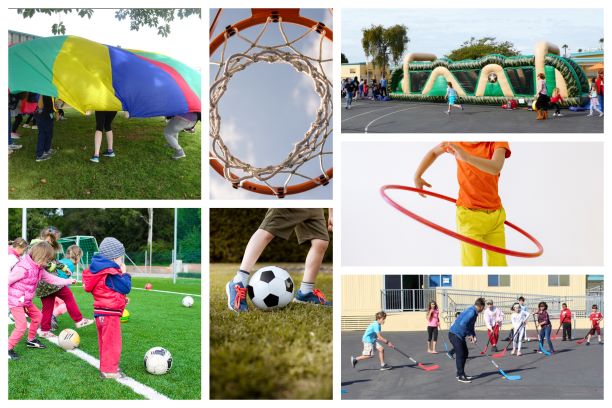
Join us Thursday, February 9th from 1:30 to 3:30 and be a HERO for MEA!! Our Hero Move-a-Thon fundraiser is a celebration of movement, giving participants the opportunity to have fun moving by means of walking,...
Read More
Staff Appreciation
April 25, 2022
Staff Appreciation Week will be celebrated at MEA from Monday, April 25th to Friday, April 29th. Wednesday will be a lunch potluck, signup and spreadsheet to see what is being brought. All week labeled baskets at...
Read More
Talent Show & Auction
April 29, 2022
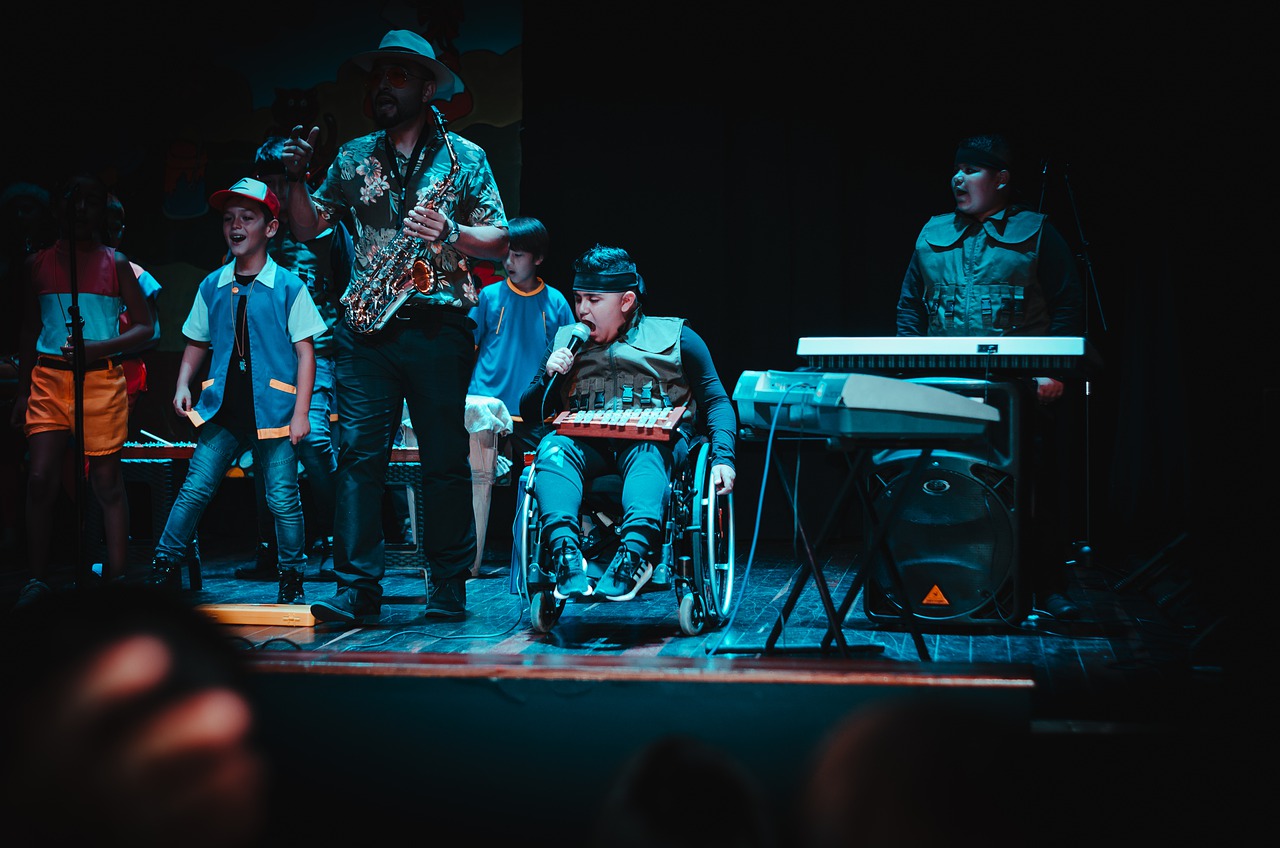
The 2022 MEA Talent Show will take place on Friday, April 29. Our Online Auction is an eBay style auction of goods and services that have been donated by merchants and businesses to help us raise...
Read More
Hero Move-a-Thon
March 8, 2022
Join us Tuesday, March 8th from 1:30 to 3:30 and be a HERO for MEA!! Our Hero Move-a-Thon fundraiser is a celebration of movement, giving participants the opportunity to have fun moving by means of walking,...
Read More
OUR
PROGRAMS
PROGRAMS
Ways that MEA Foundation Serve Our School Community
E-LEARNING
DISTANCE
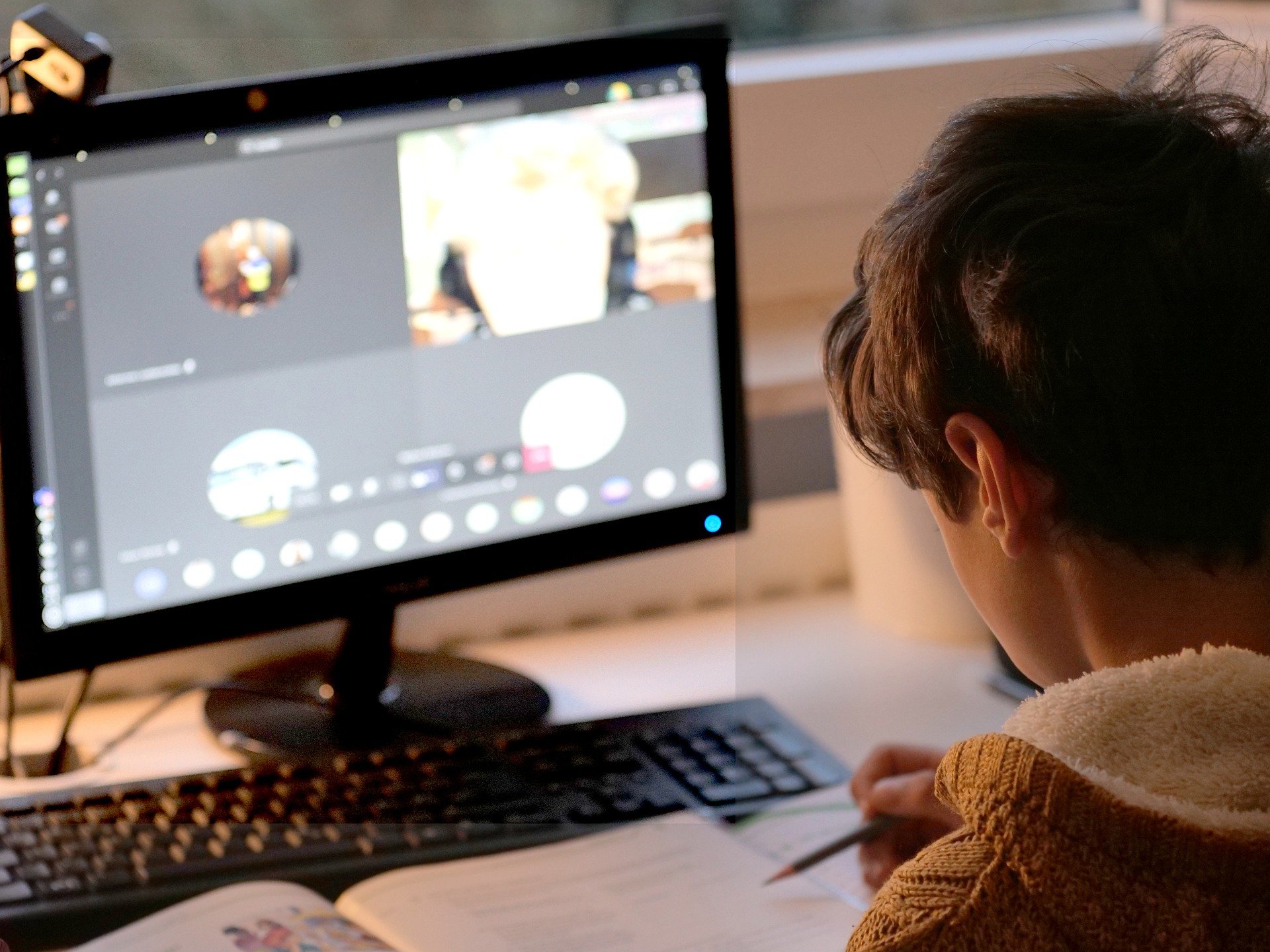
Over the course of this unique and challenging year, MEA Foundation worked to bring our students and families free SAT Prep courses, UCSD courses, STEM workshops, and parent training workshops. Please check the Monday Messages for all the latest details and future opportunities.
ENRICHMENT
ENRICHMENT
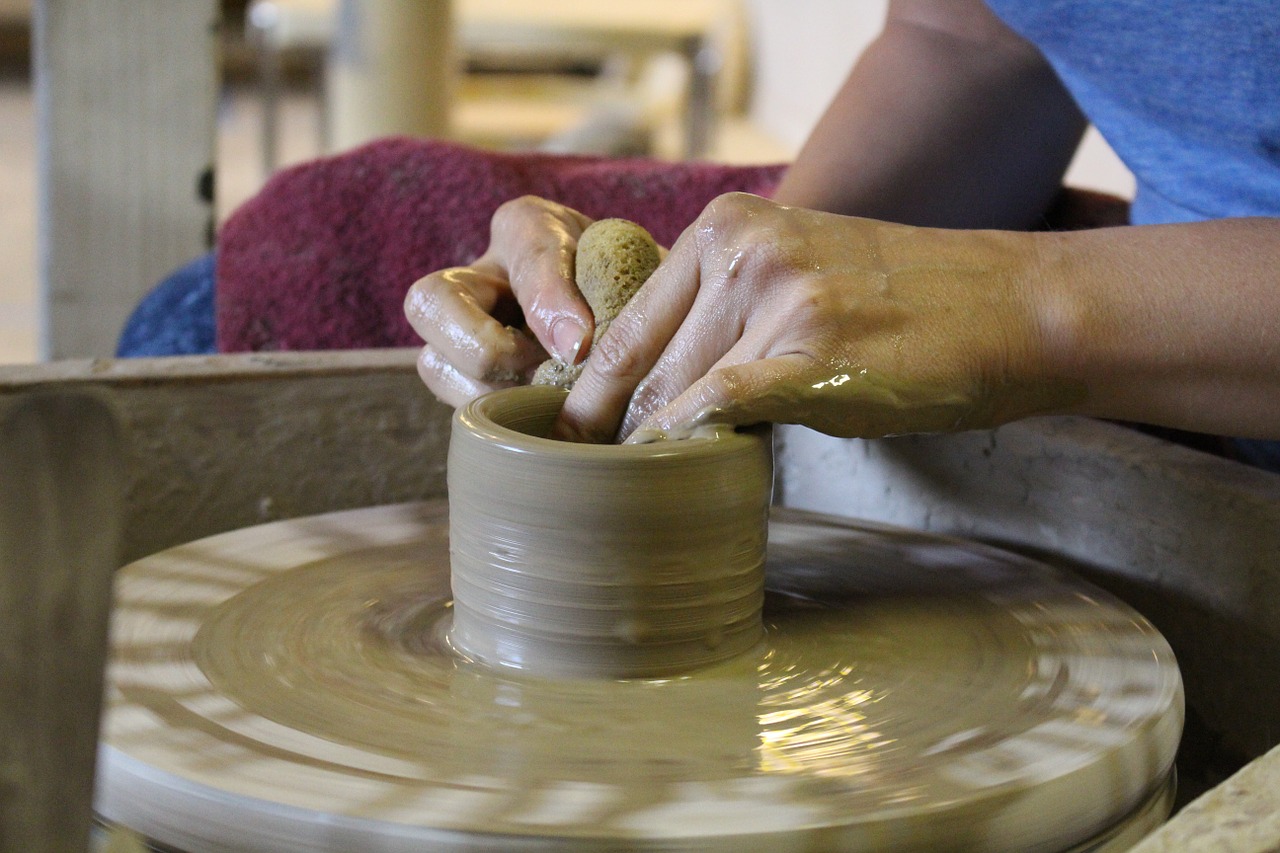
MEA Foundation supports and organizes grants for our teachers, invests in our art programs, and supports the senior art mural, and many more. The foundation has also purchased a new kiln for our art program and four new garden beds.
ACTIVITIES
EVENTS
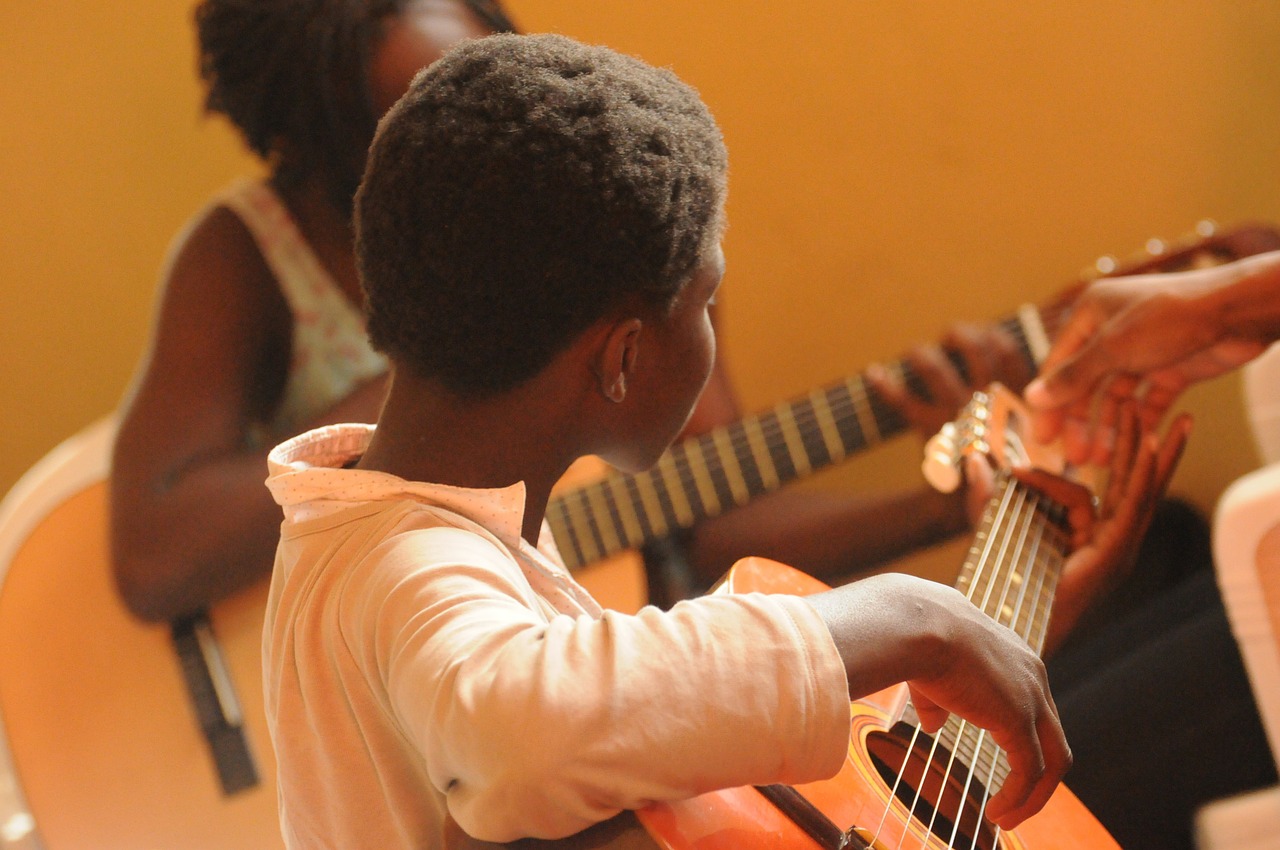
MEA Foundation helps support activities and events for our students and families, including online science and engineering workshops, parent lounges, parent workshops, and graduation. We also partner with ASB in the student vs. parent Academic League event and the Talent Show, with 100% of the proceeds going to ASB.
FUNDRAISING
SUPPORT
We raise money towards resources, supplies, and opportunities for MEA programs and events that we support and organize.
SUPPORT US BY SHOPPING THROUGH AMAZON SMILE and Amazon will donate to MEA Foundation for every purchase you make at smile.amazon.com at no cost to you!

about
mea foundation
ABOUT US
We are a team of parent and faculty volunteers that seek to provide the best possible school experience for our entire MEA community through supplemental supplies, resources, and programs towards the arts, science, engineering, technology, as well a wide variety of social and community events.

OUR MISSION
MISSION
The MEA Foundation wants all students, staff, and parents to participate in the betterment of Mt. Everest Academy.
Anyone can join MEA Foundation! If you want your voice heard and have a say in the foundation programs, priorities, and finances, please come join us!
contact us
CONTACT